The Hidden Treasures of British Science
Deep within the corridors of Britain's scientific institutions lies a treasure trove that rivals any archaeological discovery. From the Natural History Museum's South Kensington vaults to the dusty archives of provincial universities, millions of specimens tell the story of our planet's past—and potentially its future. Yet many of these irreplaceable collections remain locked away, invisible to modern researchers and vulnerable to the relentless march of time.
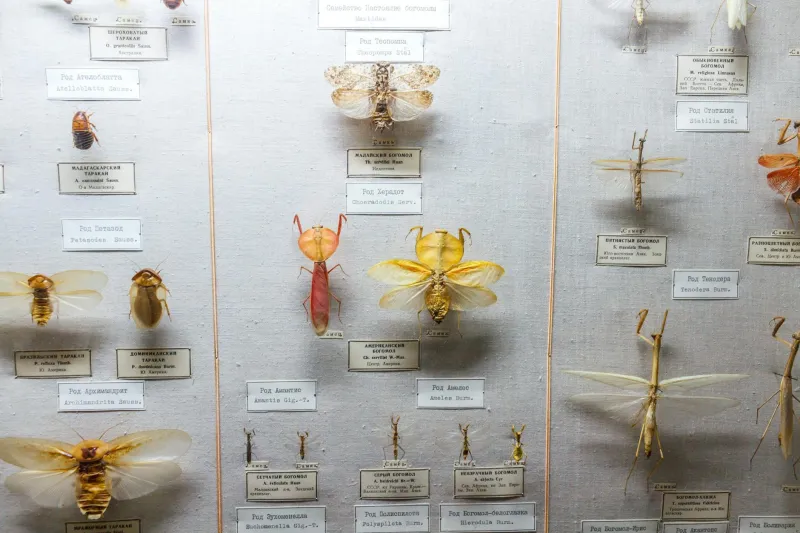
Dr Sarah Matthews, Senior Curator of Entomology at the Natural History Museum, describes the scale of the challenge: "We estimate that only 30% of our insect collection has been properly digitised. That represents centuries of collecting work from British expeditions, colonial surveys, and dedicated naturalists—all potentially lost to future science if we cannot accelerate our preservation efforts."
The Science Locked in Storage
These archived specimens represent far more than historical curiosities. Modern researchers increasingly rely on historical collections to understand patterns of environmental change, species distribution, and evolutionary adaptation. Climate scientists examine Victorian-era botanical specimens to track how plant flowering times have shifted with warming temperatures. Disease researchers study preserved insects to understand the historical spread of vector-borne illnesses.
Professor James Whitfield from the University of Edinburgh's School of Biological Sciences explains the contemporary relevance: "A beetle collected in Scotland in 1892 can tell us about pollution levels, climate conditions, and ecosystem health from that era. When we compare it with modern specimens from the same location, we can quantify environmental change with unprecedented precision."
Digital Transformation Under Pressure
Across Britain, institutions are racing to digitise their collections before deterioration renders them useless. The process involves high-resolution photography, detailed cataloguing, and the creation of searchable databases that make specimens accessible to researchers worldwide. However, the work is painstakingly slow and expensive.
At Manchester Museum, Dr Rebecca Phillips oversees the digitisation of their extensive geological collection. "Each specimen requires careful handling, photography from multiple angles, and detailed metadata entry. Our team can process perhaps fifty items per day—a fraction of what we need to preserve our entire collection within a reasonable timeframe."
The financial reality is stark. A comprehensive digitisation programme for a medium-sized university collection costs upwards of £500,000, not including ongoing maintenance and server costs. Many institutions rely on a patchwork of grant funding, leaving gaps in coverage and creating uncertainty about long-term preservation.
Racing Against Deterioration
Time is not on the side of these collections. Specimens preserved using historical methods may be degrading faster than anticipated. Changes in building heating systems, humidity fluctuations, and even the gradual breakdown of century-old preservation chemicals threaten the physical integrity of irreplaceable items.
Dr Catherine Wells, Collections Manager at the Oxford University Museum of Natural History, highlights the urgency: "We've lost specimens that were perfectly preserved for 150 years but have deteriorated rapidly in the past decade. Climate change is affecting our storage environments, and we simply cannot maintain optimal conditions across all our facilities with current resources."
The Funding Shortfall
Despite their scientific value, natural history collections often struggle for recognition in competitive funding environments. Research councils typically prioritise cutting-edge laboratory work over preservation efforts, leaving curators to compete for limited heritage funding against museums and libraries.
The situation has worsened since 2010, with university funding pressures forcing institutions to reduce collections staff and defer maintenance. Several smaller university collections have closed entirely, their specimens transferred to larger institutions or, in some cases, simply discarded.
Professor Michael Harrison, who chairs the Natural Sciences Collections Association, argues for a national strategy: "We need coordinated funding that recognises collections as essential research infrastructure, not merely historical artefacts. The data locked in these specimens is irreplaceable and increasingly valuable for understanding environmental change."
Innovation in Preservation
Some institutions are pioneering innovative approaches to the digitisation challenge. The Natural History Museum has partnered with technology companies to develop automated imaging systems that can photograph and catalogue specimens with minimal human intervention. These systems promise to accelerate digitisation whilst reducing costs.
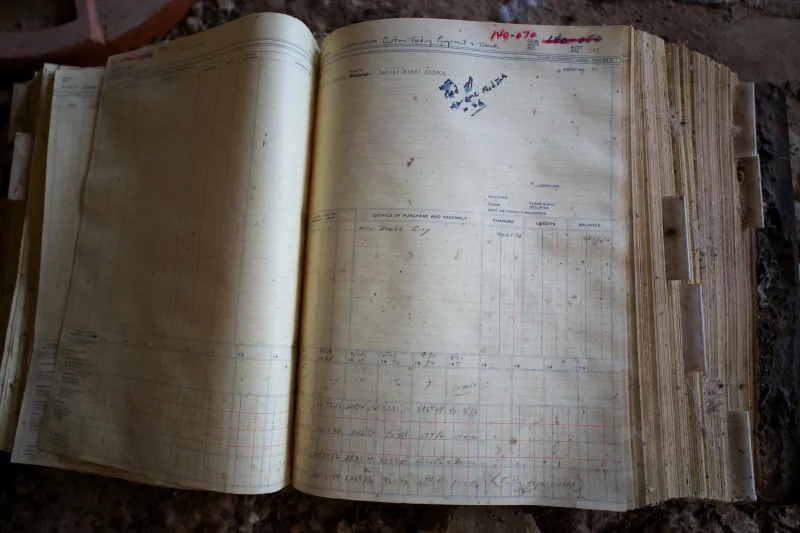
Machine learning algorithms are also being deployed to assist with species identification and data extraction from historical labels, some of which are handwritten in archaic scripts. The University of Cambridge has successfully used AI to transcribe thousands of Victorian-era specimen labels, making previously inaccessible information searchable.
A National Imperative
The race to preserve Britain's scientific heritage extends beyond individual institutions. International researchers increasingly rely on British collections to understand global biodiversity patterns and environmental change. The specimens collected during the height of the British Empire provide unique insights into ecosystems that have since been transformed or destroyed.
Dr Matthews emphasises the global significance: "Our collections represent one of the most comprehensive records of global biodiversity ever assembled. Losing access to this data would be a tragedy not just for British science, but for global understanding of our planet's history."
Looking Forward
As digitisation efforts continue, the challenge remains securing sustainable funding for long-term preservation. Success stories from institutions that have completed major digitisation projects demonstrate the transformative impact on research accessibility and output.
The urgency is clear: Britain's natural history collections represent an irreplaceable scientific resource that demands immediate attention and sustained investment. Without coordinated action, centuries of scientific endeavour risk being lost forever, taking with them crucial insights into our planet's past and potential keys to its future.