The Invisible Lottery
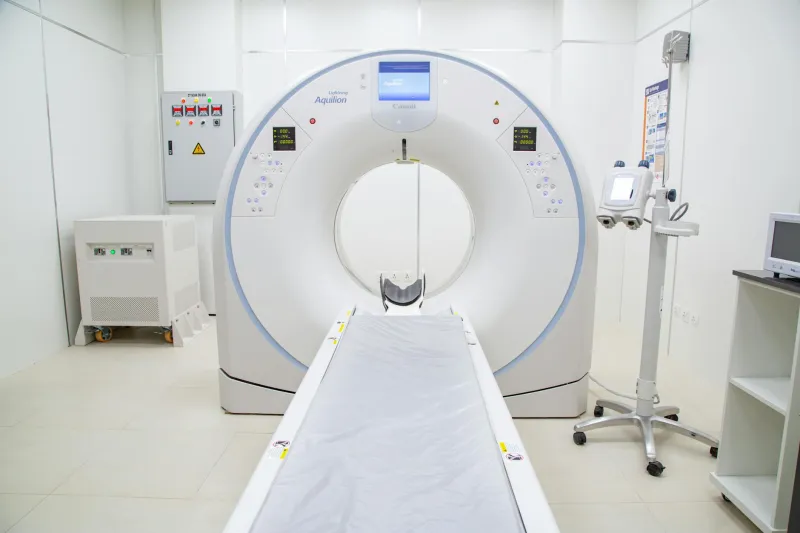
When Sarah Thompson's GP in rural Cumbria suspected she might have early-stage ovarian cancer, the nearest MRI scanner was booked solid for six weeks. Had she lived in central London, she could have accessed the same technology within days. This disparity in diagnostic access represents more than mere inconvenience—it can mean the difference between successful treatment and terminal prognosis.
Across Britain's healthcare system, a postcode lottery determines not just the speed of diagnosis, but often its accuracy and comprehensiveness. From state-of-the-art mass spectrometry systems that can detect biomarkers at molecular levels to basic ultrasound machines, the distribution of medical technology reflects and reinforces existing health inequalities.
Mapping the Equipment Desert
Analysis of NHS equipment registers reveals a diagnostic landscape marked by profound imbalances. London's population enjoys access to approximately one MRI scanner per 35,000 residents, whilst some rural Scottish health boards serve populations of over 80,000 per machine. The disparity becomes more pronounced for specialised equipment: positron emission tomography (PET) scanners, crucial for cancer staging and neurological diagnosis, are virtually absent north of Manchester.
The concentration of advanced diagnostic technology in urban centres reflects historical investment patterns, training programme locations, and the economics of equipment maintenance. A single high-resolution CT scanner can cost £2 million, with annual maintenance contracts exceeding £200,000. For smaller hospitals serving dispersed rural populations, such investments often prove financially prohibitive.
Dr Michael Patterson, consultant radiologist at Aberdeen Royal Infirmary, describes the operational reality: "We're constantly juggling priorities. A patient in Orkney might wait three weeks for a scan that could be performed tomorrow in Edinburgh. The clinical impact of these delays ripples through every aspect of care delivery."
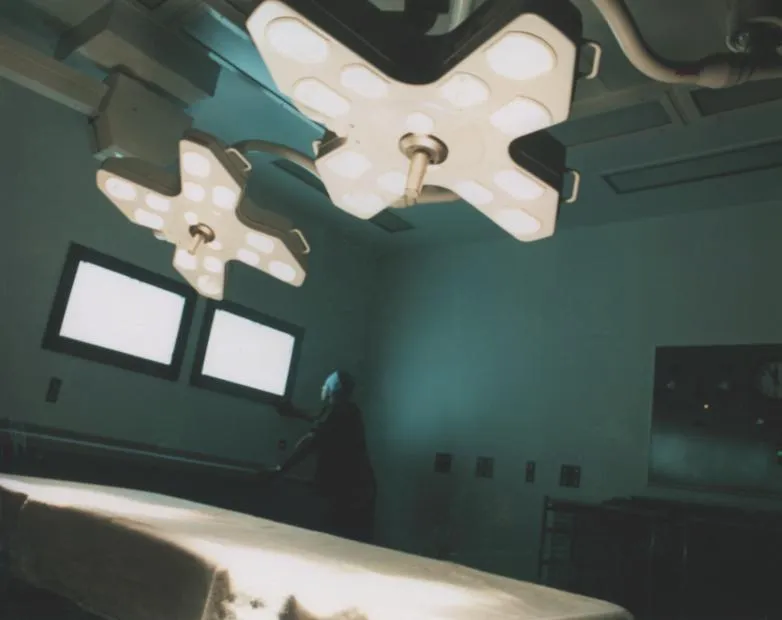 Photo: Aberdeen Royal Infirmary, via www.wallacewhittle.com
The Hidden Costs of Delay
Diagnostic delays carry consequences that extend far beyond patient anxiety. In oncology, every week of delay can allow cancers to progress from treatable to terminal stages. Cardiac conditions may deteriorate whilst patients await echocardiograms or angiograms, turning manageable cases into emergency interventions.
Recent research by the Health Foundation quantified these impacts across several conditions. Patients with suspected lung cancer in the most underserved regions faced median diagnostic delays of 47 days compared to 23 days in well-equipped areas. This three-week difference translated into measurably worse survival rates and significantly higher treatment costs as more patients required intensive interventions.
The psychological toll on patients and families remains largely unmeasured but undeniably significant. Uncertainty breeds anxiety, and prolonged diagnostic waits can transform treatable conditions into sources of prolonged distress that affect entire family systems.
Laboratory Capacity and Specialised Testing
Beyond imaging equipment, Britain's laboratory diagnostic capacity reveals similar geographical disparities. Mass spectrometry-based testing, increasingly important for precision medicine and toxicology, remains concentrated in major teaching hospitals. Patients requiring specialised genetic testing, hormone analysis, or therapeutic drug monitoring often face weeks-long waits as samples travel to distant facilities.
The COVID-19 pandemic exposed these vulnerabilities acutely. PCR testing capacity varied dramatically between regions, with some areas achieving next-day results whilst others struggled with week-long backlogs. The crisis accelerated investment in diagnostic infrastructure, but primarily benefited already well-equipped urban centres.
Dr Jennifer Walsh, clinical biochemist at Manchester Royal Infirmary, observes: "We've become the de facto regional reference laboratory for increasingly complex tests. Samples arrive from across the North West, creating bottlenecks that wouldn't exist if capacity were more evenly distributed."
 Photo: Manchester Royal Infirmary, via www.hattersley.com
Private Sector Complications
The growth of private diagnostic services has created additional complexity in Britain's healthcare landscape. Private clinics, concentrated in affluent areas, offer rapid access to advanced imaging and laboratory testing for those able to pay. This parallel system can reduce pressure on NHS facilities but also risks creating a two-tier system where wealth determines diagnostic speed.
Some NHS trusts have partnered with private providers to expand capacity, purchasing diagnostic services rather than equipment. These arrangements can improve access in underserved areas but raise questions about long-term sustainability and the appropriate role of profit-driven healthcare in the NHS model.
Innovation in Remote Diagnostics
Technological innovation offers potential solutions to geographical diagnostic disparities. Portable ultrasound devices, now approaching smartphone size, can bring sophisticated imaging capabilities to remote locations. Artificial intelligence systems can provide preliminary interpretation of scans, reducing the need for specialist radiologist review.
Telemedicine initiatives have expanded rapidly, allowing specialists to review diagnostic images and provide consultations regardless of physical location. The Highland and Islands Health Board has pioneered remote diagnostic services, using high-speed internet connections to link rural hospitals with urban specialist centres.
Dr Emma Morrison, who leads remote diagnostic programmes in Scotland, explains the potential: "We can now perform echocardiograms in Stornoway and have them interpreted by cardiologists in Glasgow within hours. Technology is beginning to dissolve geographical barriers that have persisted for decades."
Policy Responses and Funding Challenges
The NHS Long Term Plan acknowledges diagnostic capacity as a critical priority, promising significant investment in imaging and laboratory equipment. However, implementation has proven challenging, with competing demands for capital investment and persistent staffing shortages limiting the impact of new equipment purchases.
Regional health authorities have begun developing shared diagnostic services, pooling resources to purchase expensive equipment that serves multiple hospital trusts. These collaborations can improve efficiency but require careful coordination to ensure equitable access across participating areas.
The Department of Health has established diagnostic hubs in several underserved regions, providing concentrated expertise and equipment to serve wider geographical areas. Early results suggest these centres can reduce waiting times and improve diagnostic quality, but their impact remains limited by transportation challenges and patient willingness to travel.
Towards Diagnostic Equity
Addressing Britain's diagnostic divide requires coordinated action across multiple levels. Strategic equipment planning must consider population distribution and transport infrastructure, not just clinical need. Training programmes must incentivise specialists to work in underserved areas, perhaps through enhanced compensation or professional development opportunities.
Technology offers promising solutions, but requires substantial investment in digital infrastructure and staff training. Rural hospitals need reliable high-speed internet connections to support telemedicine initiatives, whilst staff require ongoing education to utilise new diagnostic technologies effectively.
The path forward demands recognition that diagnostic equity represents a fundamental aspect of healthcare fairness. Every patient, regardless of postcode, deserves timely access to the diagnostic tools necessary for optimal care. Achieving this vision will require sustained commitment, substantial investment, and innovative thinking about how medical technology can serve all of Britain's communities.