The Silent Catastrophe in Britain's Herbaria
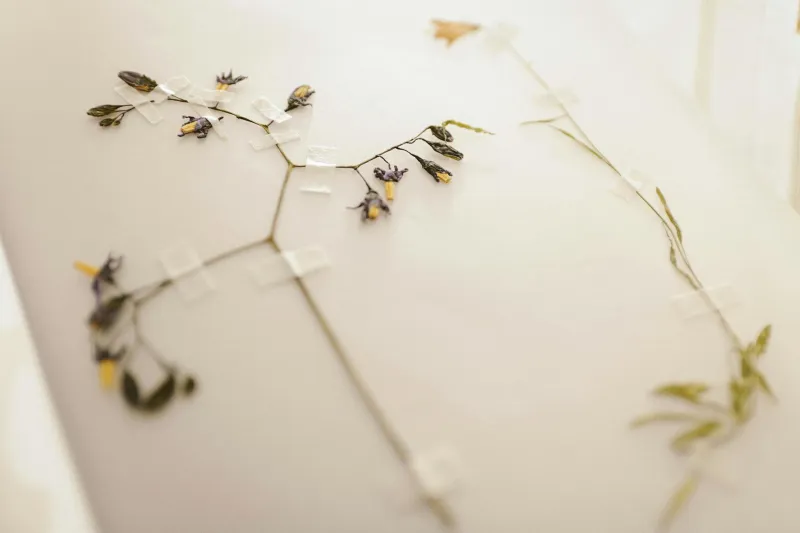
In the climate-controlled chambers of the Natural History Museum's herbarium, Dr Sarah Phillimore carefully lifts a specimen sheet bearing the pressed remains of a wild orchid collected from the Yorkshire Dales in 1847. The delicate purple petals, though faded, still retain their essential structure—a botanical time capsule that predates Darwin's Origin of Species by twelve years. Yet this irreplaceable specimen, like millions of others across Britain's herbaria, faces an enemy more insidious than time itself: institutional neglect.
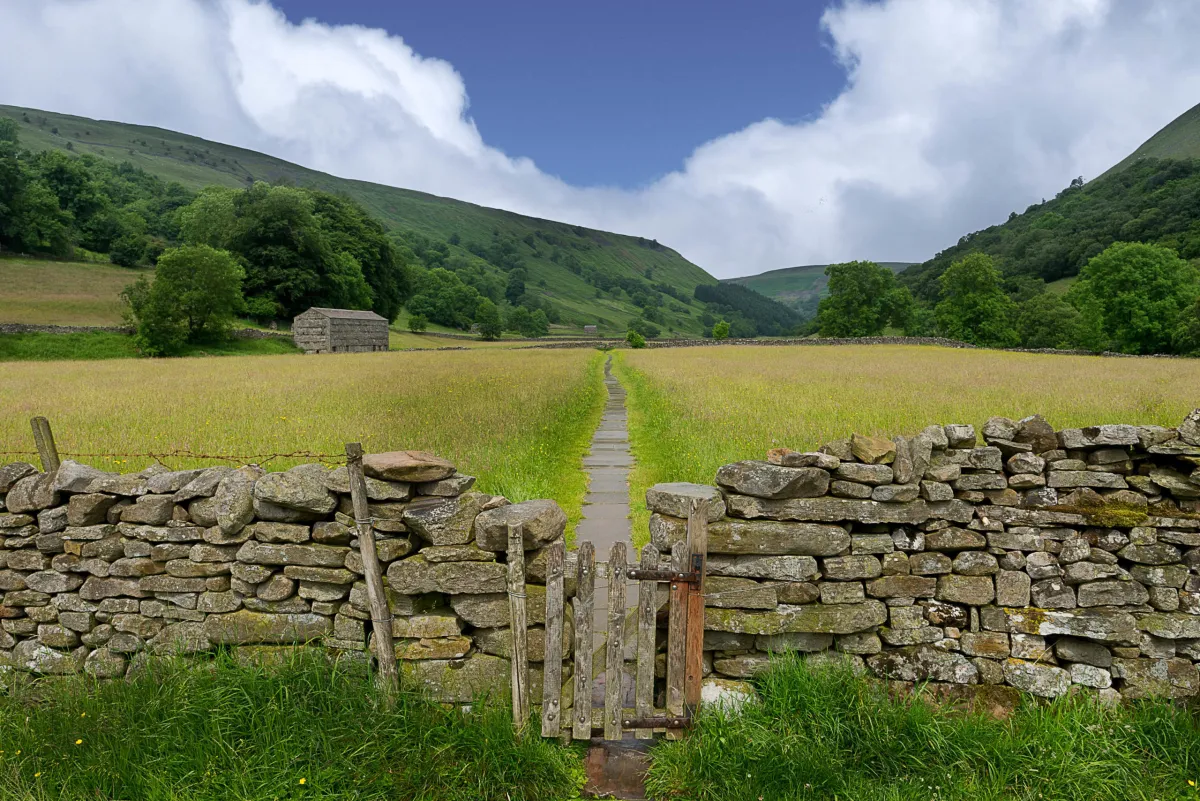 Photo: Yorkshire Dales, via www.yorkshiredales.org.uk
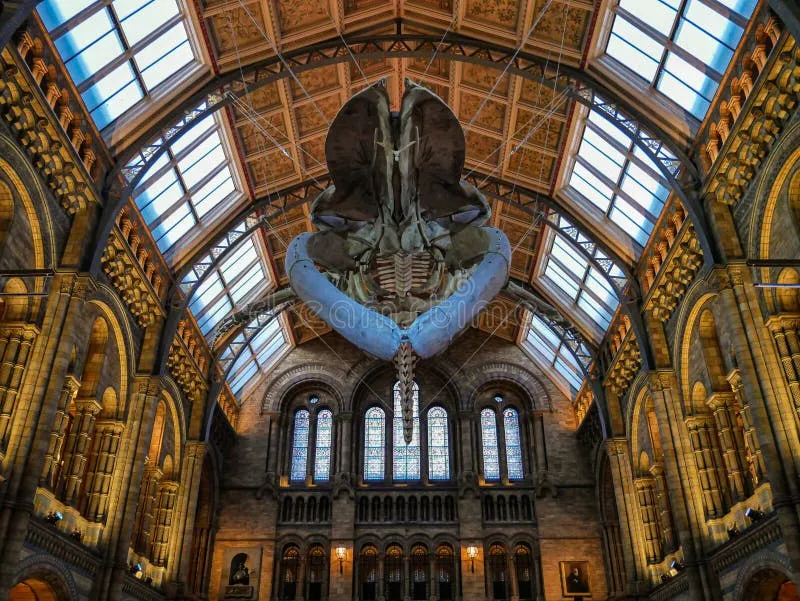 Photo: Natural History Museum, via thumbs.dreamstime.com
Britain's herbaria collectively house over 15 million preserved plant specimens, representing the world's most comprehensive record of botanical diversity spanning four centuries. From Joseph Banks's specimens collected during Captain Cook's voyages to Victorian botanists' meticulous documentation of British flora, these collections constitute an unparalleled archive of our planet's plant life. However, a crisis is unfolding in these repositories that threatens to erase this botanical legacy before modern science can fully unlock its secrets.
The Race Against Physical Deterioration
The mathematics of decay are unforgiving. Paper specimens mounted in the 19th and early 20th centuries were often treated with chemicals now known to accelerate deterioration. Mercury-based pesticides used to protect collections from insects have created toxic environments that paradoxically damage the very specimens they were meant to preserve. Meanwhile, fluctuating humidity levels in ageing buildings cause repeated expansion and contraction cycles that gradually fragment delicate plant material.
Professor Michael Henderson, curator of the Edinburgh Herbarium, estimates that without intervention, approximately 2% of specimens are lost each year to various forms of degradation. "We're witnessing a form of scientific extinction," he explains. "Once these physical specimens are gone, we lose not just the plant material itself, but the ability to conduct new analyses using techniques that don't yet exist."
The urgency becomes clear when considering what modern analytical methods can extract from historical specimens. DNA sequencing can now reveal genetic information from century-old samples, whilst high-resolution imaging combined with machine learning algorithms can detect morphological changes invisible to the human eye. Isotope analysis of leaf tissue provides insights into historical atmospheric conditions, whilst pollen trapped in specimen mounting papers offers clues about past pollinator relationships.
Britain's Fragmented Response
Currently, digitisation efforts across British herbaria operate as isolated initiatives rather than coordinated programmes. The Natural History Museum's ambitious project to digitise its 5.2 million specimens proceeds at roughly 50,000 specimens annually—a pace that would require over a century to complete. Meanwhile, smaller institutions like the Manchester Museum and Glasgow's Hunterian Museum struggle with basic preservation, let alone comprehensive digitisation.
The economic realities are stark. Professional digitisation, including high-resolution photography, data transcription, and quality control, costs approximately £3-5 per specimen. For Britain's estimated 15 million specimens, this represents a total investment requirement of £45-75 million—a figure that dwarfs current funding allocations across all affected institutions combined.
Dr Jennifer Walsh, who coordinates digitisation efforts at the Royal Botanic Gardens, Kew, emphasises the false economy of delayed action: "Every year we postpone comprehensive digitisation, we lose specimens that could have been saved. The cost of inaction far exceeds the investment required for preservation."
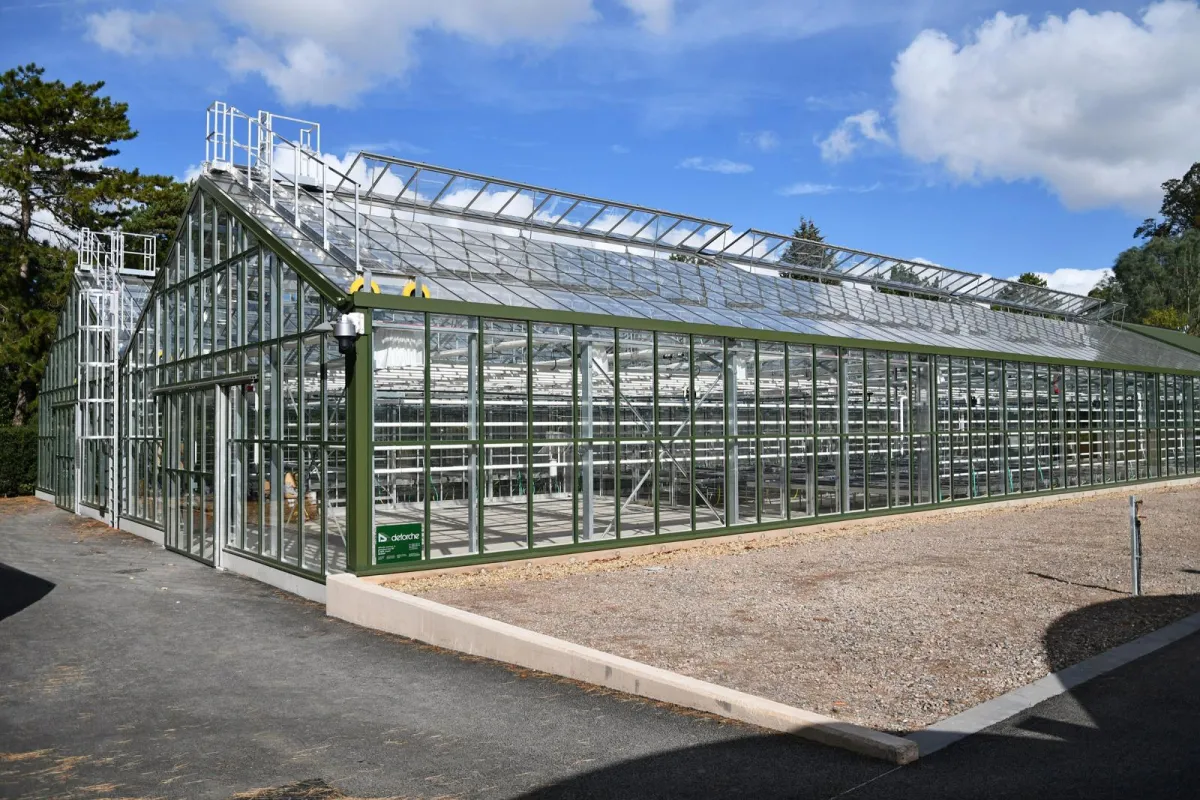 Photo: Royal Botanic Gardens, Kew, via www.hedafor.com
Computational Revelations from Digitised Archives
Where digitisation has occurred, the results are transformative. Analysis of digitised specimens from the 1800s has revealed that British wildflowers are flowering an average of 8.5 days earlier than they did 150 years ago—providing crucial baseline data for climate change research. Similarly, examination of leaf size variations in digitised oak specimens has helped scientists understand how trees adapt to changing atmospheric carbon dioxide levels.
The University of Oxford's recent analysis of digitised herbarium specimens revealed previously unknown patterns of plant migration across Britain during the Little Ice Age. By examining collection dates and locations of specimens from the 17th and 18th centuries, researchers mapped how species retreated southward and then recolonised northern territories as temperatures recovered.
These discoveries represent merely the beginning of what comprehensive digitisation could achieve. Machine learning algorithms trained on millions of digitised specimens could identify subtle morphological changes that indicate evolutionary adaptation, whilst pattern recognition software could detect historical disease outbreaks or pollution impacts recorded in leaf structures.
The Volunteer Army
Recognising the scale of the challenge, several British institutions have pioneered volunteer-based digitisation programmes. The Natural History Museum's "DigiVol" initiative trains citizen scientists to transcribe specimen labels and capture metadata, whilst the Royal Botanic Garden Edinburgh has developed protocols that allow trained volunteers to photograph specimens under supervised conditions.
Margaret Thompson, a retired biology teacher who volunteers at the Manchester Museum, exemplifies this grassroots response. Over three years, she has personally digitised over 2,000 specimens, working methodically through drawers of Victorian botanical collections. "Each specimen tells a story," she reflects. "I'm not just creating digital records—I'm preserving scientific narratives that span generations."
However, volunteer programmes, whilst valuable, cannot address the fundamental infrastructure and funding gaps that constrain large-scale digitisation efforts.
A Blueprint for National Coordination
Experts argue that Britain requires a coordinated national strategy comparable to successful international initiatives. The Netherlands' "Naturalis" programme digitised 37 million specimens over a decade through sustained government investment and institutional cooperation. Similarly, Australia's "Atlas of Living Australia" demonstrates how federated databases can integrate collections across multiple institutions whilst maintaining local autonomy.
A proposed "British Botanical Heritage Initiative" would establish standardised protocols, shared infrastructure, and coordinated funding streams across all herbaria. Such coordination could reduce per-specimen digitisation costs through economies of scale whilst ensuring consistent metadata standards that enable comprehensive cross-institutional analysis.
The Window of Opportunity
Britain stands at a critical juncture in preserving its botanical heritage. The convergence of affordable high-resolution imaging technology, sophisticated analytical software, and growing recognition of herbaria's research value creates an unprecedented opportunity for comprehensive preservation. However, this window may be brief—continued institutional fragmentation and underfunding could see irreplaceable specimens lost before digitisation becomes economically feasible.
The question facing British science policy is whether the nation will seize this moment to preserve four centuries of botanical knowledge for future generations, or whether institutional inertia will allow this irreplaceable archive to crumble into scientific obscurity. The pressed flowers of 1847 cannot wait indefinitely for an answer.