The Systematic Error
In a comprehensive physics laboratory at Westfield Academy in Manchester, sixteen-year-old students meticulously record measurements from digital balances that consistently register 15% below actual mass. The thermometers read three degrees high. The optical equipment produces systematically distorted results that students dutifully transcribe into their laboratory notebooks, unaware that their careful methodology is built upon fundamentally flawed foundations.
 Photo: Westfield Academy, via images.squarespace-cdn.com
This scenario, far from exceptional, represents the hidden reality across thousands of British secondary schools where scientific education proceeds with instruments that have not been professionally calibrated for years—sometimes decades.
A recent audit commissioned by the Institute of Physics examined measurement accuracy across 200 randomly selected state schools in England and Wales. The findings reveal a crisis of precision that threatens to undermine an entire generation's understanding of scientific methodology.
The Scope of Inaccuracy
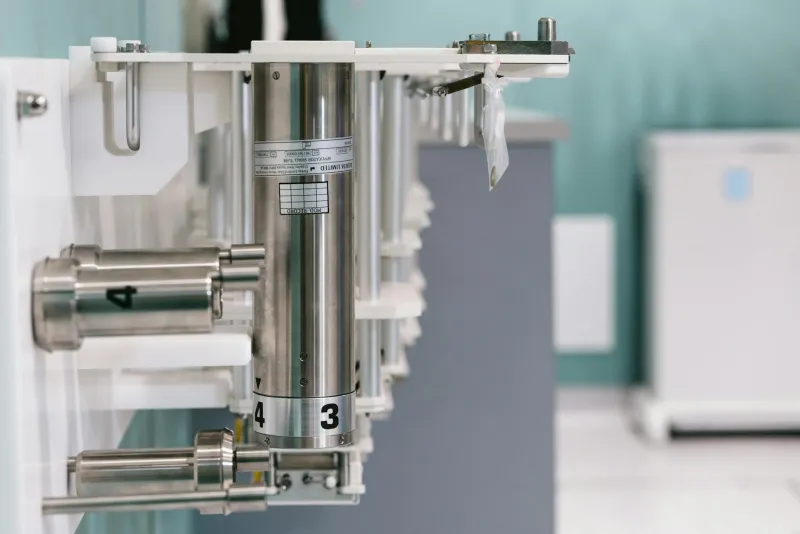
Of the schools surveyed, 78% possessed at least one category of scientific instrument with measurement errors exceeding acceptable educational tolerances. Digital balances, fundamental to chemistry and physics experiments, showed accuracy problems in 45% of institutions. Temperature measurement devices—critical for thermal physics and chemical reaction studies—demonstrated systematic errors in 52% of schools examined.
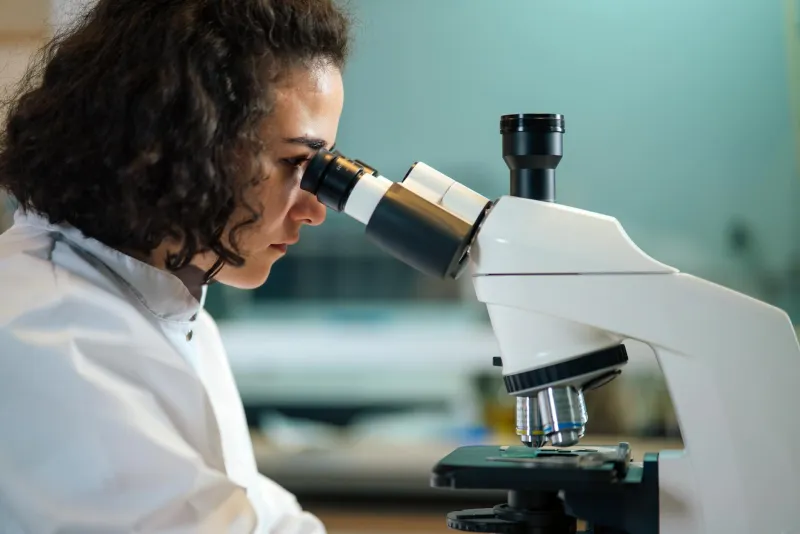
Perhaps most concerning, optical equipment including microscopes and spectrometers showed calibration issues in 34% of institutions, directly affecting students' ability to observe and measure phenomena accurately in biology and physics coursework.
Dr Rebecca Thompson, who led the audit team, describes the implications: "Students are learning to follow scientific protocols meticulously, but they're doing so with instruments that produce systematically incorrect results. They're developing excellent technique whilst simultaneously absorbing fundamentally flawed concepts about measurement precision."
Historical Context and Institutional Memory
The roots of this crisis trace back to the comprehensive restructuring of British scientific education during the 1980s and 1990s. As schools transitioned from traditional demonstration-based teaching to hands-on laboratory work, instrument procurement accelerated rapidly.
Many schools acquired sophisticated digital equipment during this period, often funded through one-time capital investments or lottery grants. However, the ongoing costs of professional calibration—typically ranging from £50 to £200 per instrument annually—were rarely incorporated into long-term budget planning.
Margaret Whitfield, a recently retired physics teacher with forty years' experience across three comprehensive schools, recalls the gradual erosion of measurement standards: "In the 1970s, we had fewer instruments, but they were regularly maintained by local authority technicians. As schools gained more autonomy, that central support disappeared. Teachers became responsible for equipment they weren't trained to maintain."
The Calibration Gap
Professional instrument calibration requires specialised knowledge and expensive reference standards. Most secondary schools lack both the expertise and resources to perform these procedures internally, yet external calibration services often cost more than schools' entire annual science equipment budgets.
The Department for Education's most recent guidance on science equipment maintenance dates to 2008 and contains no specific requirements for measurement accuracy verification. Local education authorities, which once provided centralised technical support, have largely eliminated these services due to budget constraints.
Consequently, many instruments operate for years without any accuracy verification beyond teachers' informal checks against other potentially inaccurate equipment—a process that can perpetuate and compound measurement errors.
Educational Implications
The pedagogical consequences extend far beyond simple numerical inaccuracy. Students learning physics with systematically flawed instruments develop misconceptions about fundamental concepts including mass, temperature, and optical properties that can persist into higher education.
Professor David Chen, who teaches first-year physics at the University of Birmingham, has observed these effects directly: "Students arrive with excellent laboratory skills but profound confusion about measurement uncertainty and instrument limitations. They've been trained to trust their instruments implicitly rather than to question and verify measurements."
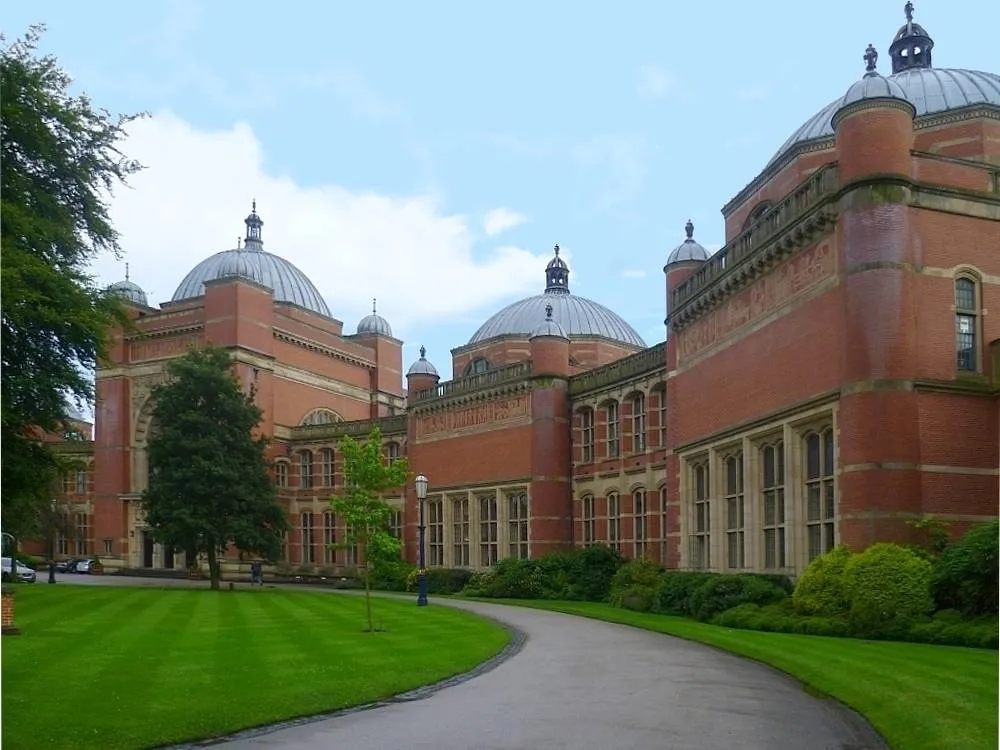 Photo: University of Birmingham, via www.victorianweb.org
This represents a fundamental inversion of scientific thinking. Instead of learning healthy scepticism about measurement accuracy—a cornerstone of scientific methodology—students develop misplaced confidence in flawed data.
Case Study: Thermal Physics Misconceptions
At Riverside Community College in Bristol, A-level physics students spent months investigating thermal conductivity using thermometers that consistently read 4.2°C above actual temperature. Their carefully constructed graphs and calculations, whilst methodologically sound, led to thermal conductivity values 23% higher than established literature values.
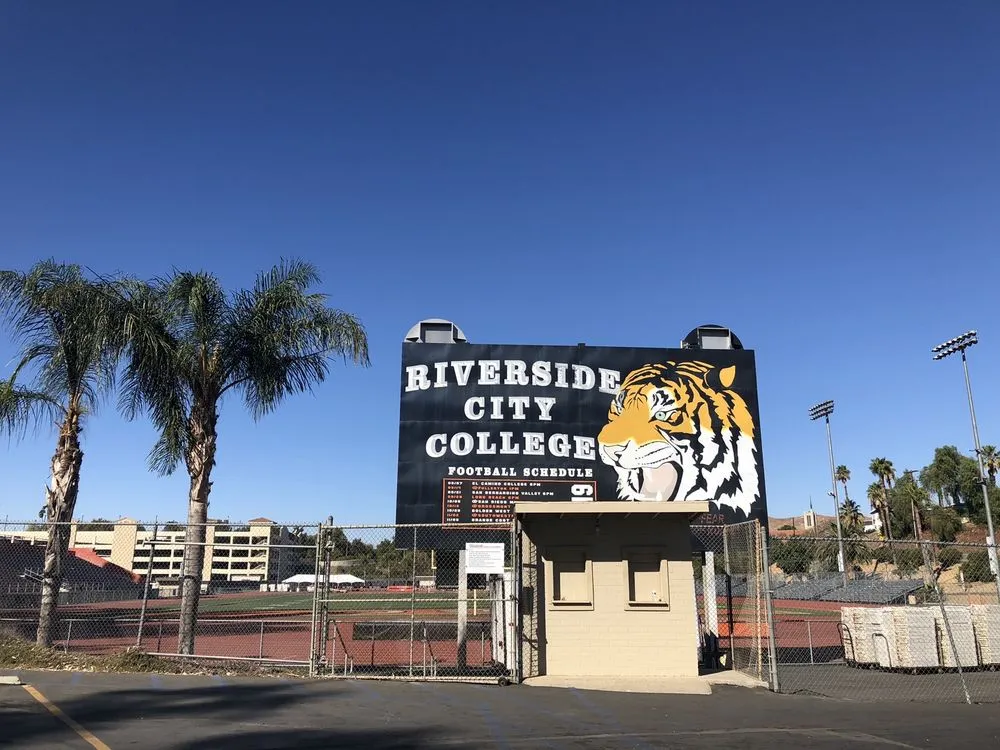 Photo: Riverside Community College, via s3-media0.fl.yelpcdn.com
Teacher Sarah Pemberton discovered the calibration error only when preparing students for university interviews. "The students had developed a sophisticated understanding of experimental technique, but their fundamental concept of thermal measurement was skewed," she explains. "Correcting these misconceptions required essentially re-teaching the entire thermal physics module."
Technological Solutions and Barriers
Some schools have begun exploring self-calibration protocols using reference materials and online resources. However, these approaches require significant teacher training and remain impractical for complex optical or electronic instruments.
Digital connectivity offers potential solutions. Several equipment manufacturers now produce instruments with built-in calibration verification systems that can flag accuracy problems automatically. However, these advanced instruments typically cost three to five times more than traditional alternatives, placing them beyond most schools' procurement budgets.
Systemic Reform Requirements
Addressing this crisis requires coordinated action across multiple levels of educational administration. The Institute of Physics has proposed establishing regional calibration centres that could serve clusters of schools, spreading costs across multiple institutions whilst ensuring professional accuracy standards.
Alternatively, some education authorities are exploring equipment leasing arrangements that include maintenance and calibration within annual service contracts. This model transfers technical responsibility to specialised providers whilst ensuring ongoing accuracy.
The Broader Scientific Pipeline
The implications extend well beyond secondary education. Students entering university science courses with fundamental misconceptions about measurement accuracy require extensive remedial instruction, delaying their progression into advanced research methodologies.
Moreover, the crisis reflects broader questions about Britain's commitment to scientific literacy. If the next generation of scientists, engineers, and technically literate citizens develops their foundational understanding using systematically flawed instruments, the long-term consequences for British scientific competitiveness could prove profound.
As Dr Thompson concludes: "We're teaching students to be precise with imprecise tools, careful with careless instruments. This represents a fundamental contradiction that undermines everything we're trying to achieve in scientific education."
The solution requires recognising that accurate measurement lies at the heart of scientific understanding—and that providing students with reliable instruments represents not an optional enhancement, but an essential foundation of scientific education.