The Hidden Network
Whilst Kew Gardens' Millennium Seed Bank rightfully captures headlines for its ambitious global conservation mission, Britain's true botanical insurance policy lies scattered across a network of smaller, often overlooked repositories. From the Celtic Rainforest Seed Project in Wales to the Orkney Native Plant Collection, these facilities preserve genetic material that could prove essential for Britain's agricultural and ecological future.
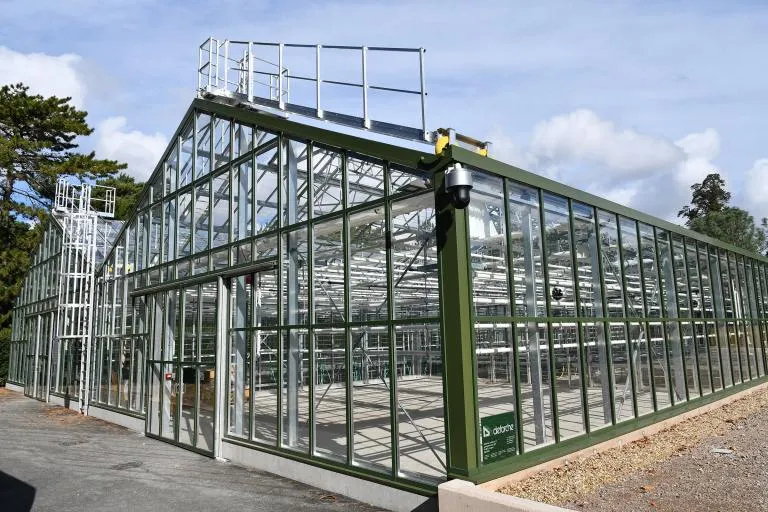 Photo: Kew Gardens, via www.hedafor.com
Dr Sarah Mitchell, curator of the Yorkshire Dales Seed Vault, describes the challenge: "We're racing against time on multiple fronts. Not only are we losing wild populations faster than we can collect them, but our storage facilities are struggling with increasingly unpredictable temperature fluctuations."
Infrastructure Under Pressure
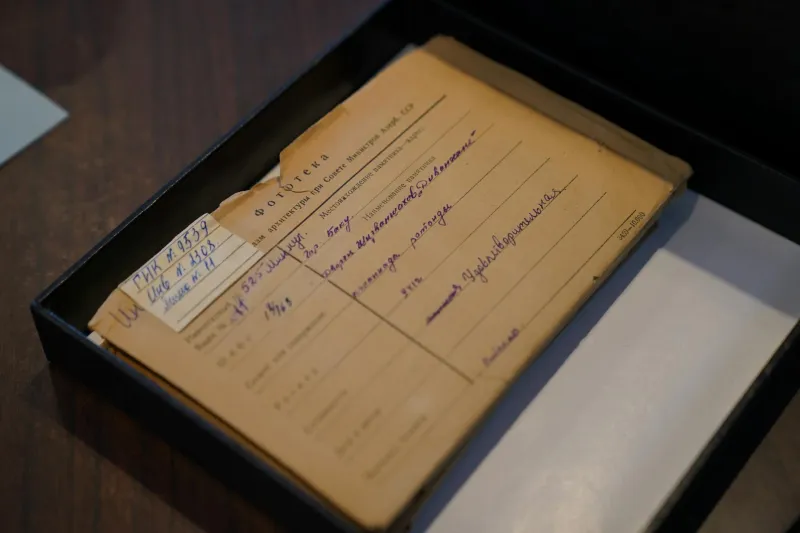
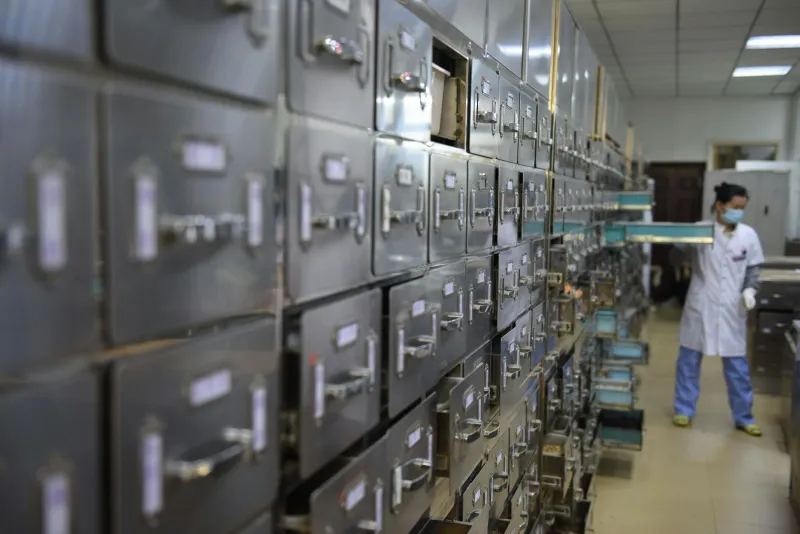
The irony is stark: climate change simultaneously increases the value of preserved genetic material whilst threatening the infrastructure designed to protect it. Many regional seed banks operate in converted buildings never designed for precision environmental control. The Lake District Botanical Archive, housed in a renovated Victorian greenhouse, has experienced three temperature excursions in the past year alone, potentially compromising decades of collection work.
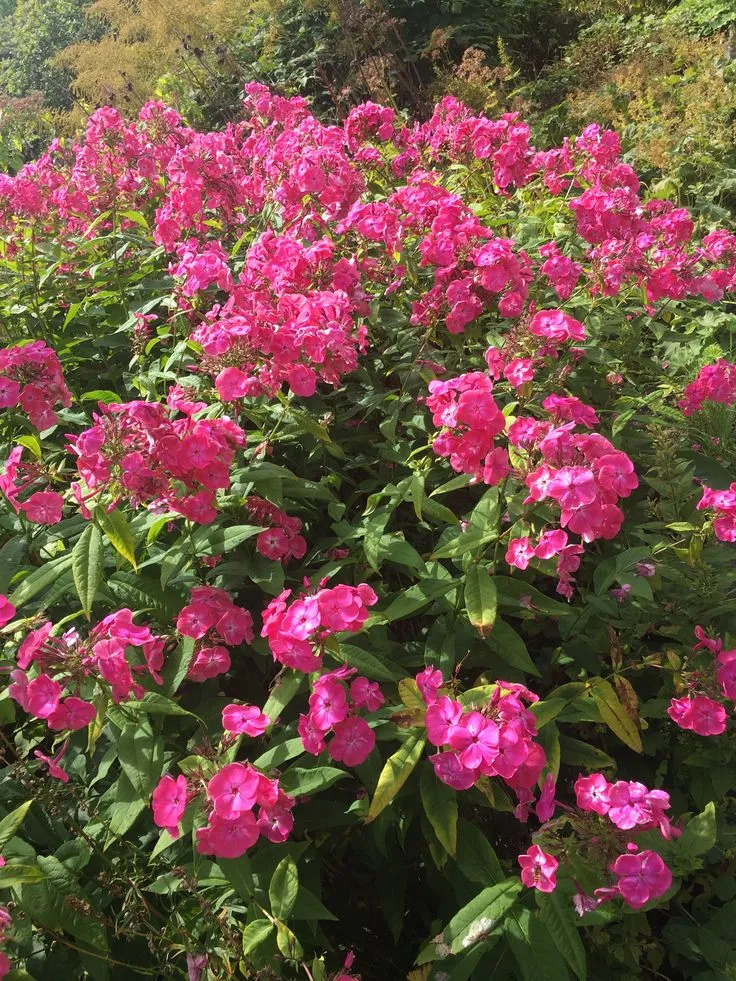 Photo: Lake District Botanical Archive, via i.pinimg.com
Funding constraints exacerbate these challenges. Whilst Kew receives substantial government support and international recognition, regional collections often depend on university budgets, local authority grants, and volunteer labour. The Scottish Highlands Seed Library operates with just two part-time staff members responsible for over 2,000 accessions of native flora.
Genetic Treasures at Risk
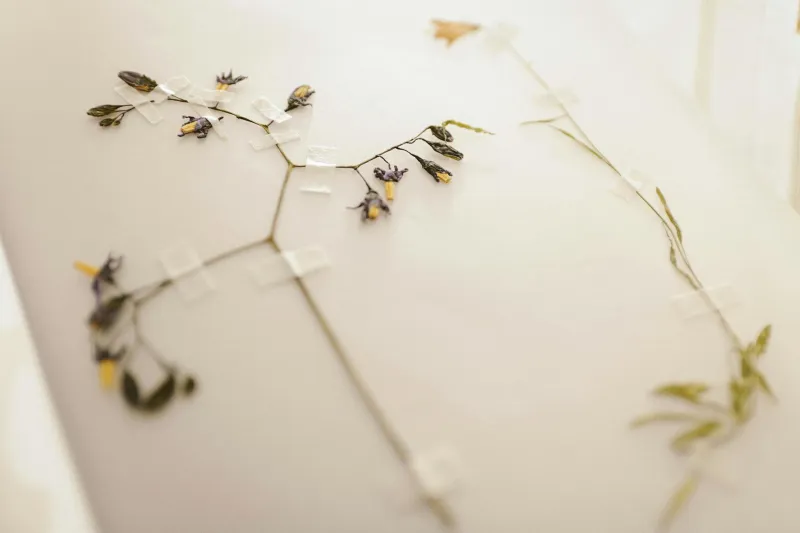
These collections harbour irreplaceable genetic diversity. The Cornish Heritage Seed Bank maintains varieties of barley and wheat that predate modern agricultural breeding programmes, potentially containing resistance genes for diseases that haven't yet emerged. Similarly, the Pennine Wildflower Collection preserves upland species adapted to specific microclimates that may become crucial for ecosystem restoration as weather patterns shift.
Professor James Hartwell from the University of Liverpool, who studies crop wild relatives, emphasises their importance: "These aren't museum pieces. They're living libraries of genetic solutions to problems we haven't encountered yet. A drought-resistant gene from a Cumbrian grass species could be worth billions to future agriculture."
Technology Meets Tradition
Some facilities are pioneering innovative approaches to preservation challenges. The Devon Agricultural Heritage Project has partnered with local engineering firms to develop low-cost monitoring systems using Internet of Things sensors. These devices alert curators to temperature or humidity anomalies via mobile networks, enabling rapid response to equipment failures.
Meanwhile, the Norfolk Fenland Seed Collective has embraced distributed storage, maintaining duplicate collections across multiple sites to reduce risk. This approach, inspired by computer backup strategies, ensures that localised failures don't result in irreplaceable losses.
Volunteer Networks and Citizen Science
Many regional seed banks rely heavily on volunteer networks that combine traditional botanical knowledge with modern scientific protocols. The Northumberland National Park Seed Savers, comprising retired farmers, amateur botanists, and university students, conducts systematic collection expeditions across the region's diverse habitats.
These volunteers often possess invaluable local knowledge about plant populations and seasonal variations that complement formal scientific training. Margaret Thompson, a retired teacher who has collected seeds for the Lake District project for over fifteen years, notes: "I know every meadow in Grasmere. When the scientists want to find the best specimens of mountain pansy or bird's-foot trefoil, they ask the locals first."
Climate Change Acceleration
Recent studies suggest that Britain's native plant species are shifting their ranges northward at an average rate of 1.5 kilometres per year. This movement creates a preservation paradox: populations in traditional strongholds may disappear before their genetic material can be collected, whilst new populations establish themselves in previously unsuitable areas.
The Welsh Mountain Seed Initiative has documented the disappearance of several alpine plant populations from lower elevations, forcing urgent collection missions to higher altitudes where remnant populations persist. These efforts require mountaineering skills alongside botanical expertise, highlighting the increasingly extreme conditions under which conservation work must proceed.
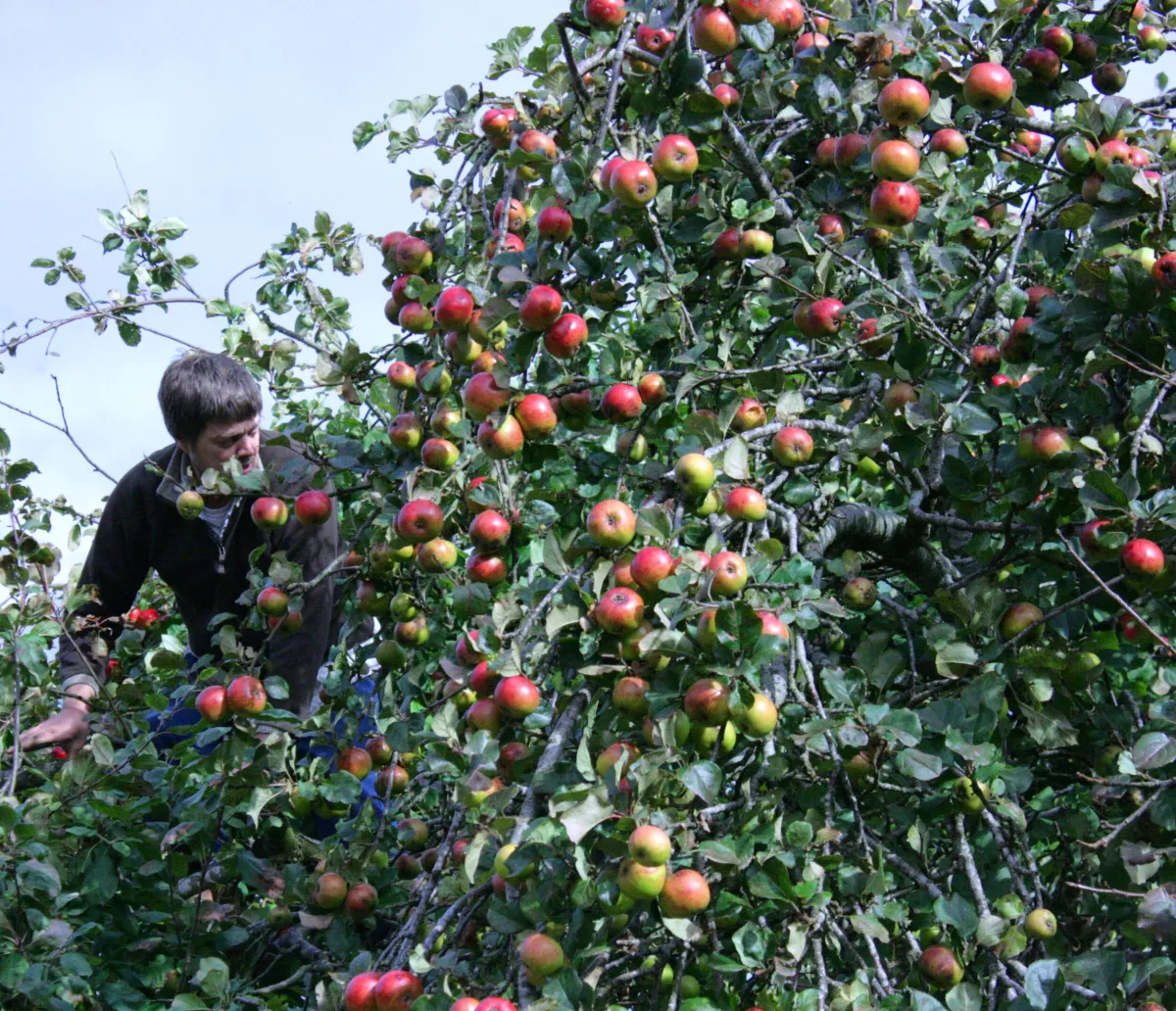 Photo: Welsh Mountain Seed Initiative, via images.squarespace-cdn.com
Future Strategies
Experts advocate for a more coordinated approach to Britain's seed conservation efforts. The proposed National Genetic Resources Network would link regional collections through standardised protocols, shared databases, and mutual support arrangements. This system would enable real-time monitoring of collection health and facilitate rapid response to threats.
Advanced preservation techniques, including cryogenic storage and DNA banking, offer additional security for the most vulnerable genetic material. However, these technologies require significant investment and specialised expertise that many regional facilities currently lack.
The Scientific Imperative
As Britain grapples with climate adaptation, food security, and biodiversity loss, these modest seed banks represent a form of biological insurance that becomes more valuable each year. Their preservation isn't merely an academic exercise but a practical necessity for maintaining the genetic foundation upon which future agriculture and ecosystem restoration will depend.
The challenge lies in translating this scientific importance into sustained political and financial support before it's too late. Every season that passes without adequate investment in these facilities represents a narrowing window of opportunity to secure Britain's genetic heritage for generations to come.