The Hidden Crisis in Britain's Laboratories
Across Britain's university campuses and NHS diagnostic centres, a silent crisis is unfolding within the walls of analytical chemistry laboratories. Mass spectrometry equipment—the sophisticated instruments that identify and quantify molecular compounds essential for drug discovery and clinical diagnostics—is ageing beyond its optimal operational lifespan, creating bottlenecks that threaten the nation's pharmaceutical research capabilities.
Recent surveys conducted by the Royal Society of Chemistry indicate that over 60% of mass spectrometers in UK academic institutions are operating beyond their manufacturer-recommended replacement cycles. More concerning still, NHS diagnostic laboratories report instrument downtime rates that have increased by 34% over the past five years, directly impacting patient care timelines.
The Economics of Scientific Stagnation
The financial reality facing British research institutions reveals the depth of this infrastructure challenge. Modern high-resolution mass spectrometers can cost between £300,000 and £2 million, representing substantial capital investments that many universities and NHS trusts struggle to justify within increasingly constrained budgets.
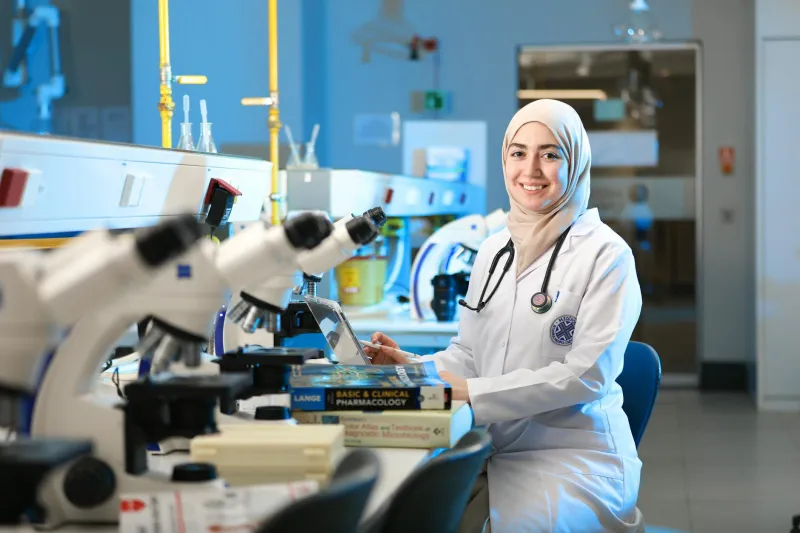
Professor Sarah Mitchell, Director of Analytical Services at the University of Manchester, explains the dilemma: "We're operating instruments purchased in 2008 that should have been replaced five years ago. The maintenance costs alone now exceed £80,000 annually, yet securing approval for replacement requires navigating procurement processes that can take two years or more."
 Photo: University of Manchester, via cdn.universityliving.com
This procurement paralysis creates a vicious cycle. As instruments age, their analytical capabilities diminish whilst maintenance requirements increase. Research projects face delays, clinical diagnostic turnaround times extend, and Britain's competitive position in pharmaceutical research erodes incrementally.
International Competitiveness at Risk
Comparative analysis with European Union and United States research facilities reveals the stark reality of Britain's deteriorating position. German pharmaceutical research centres, benefiting from coordinated federal funding programmes, have renewed their mass spectrometry fleets at twice the rate of UK institutions over the past decade.
Dr James Harrison, formerly of AstraZeneca's Cambridge research division and now at the ETH Zurich, observes: "The contrast is striking. Swiss and German laboratories I collaborate with routinely access cutting-edge analytical capabilities that simply aren't available in many UK facilities. This isn't just about prestige—it's about fundamental research capacity."
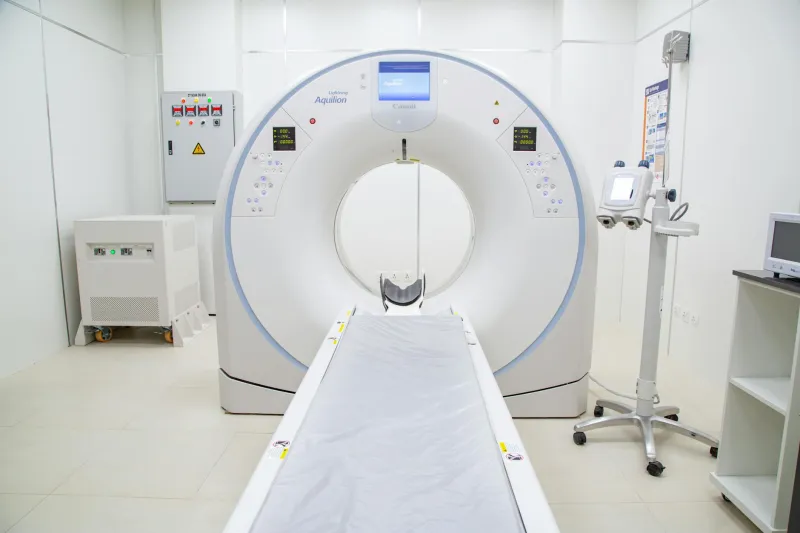
 Photo: ETH Zurich, via isec-society.org
The implications extend beyond academic research. Pharmaceutical companies evaluating locations for new research investments increasingly factor analytical infrastructure quality into their decision-making processes. Britain risks losing its historical advantage as a preferred destination for drug discovery operations.
Clinical Consequences
Within NHS diagnostic laboratories, ageing mass spectrometry equipment directly impacts patient care. Therapeutic drug monitoring, essential for medications with narrow safety margins, requires precise analytical measurements that older instruments struggle to provide consistently.
Dr Patricia Chen, Clinical Biochemistry Consultant at Leeds Teaching Hospitals NHS Trust, highlights the clinical reality: "When our primary mass spectrometer experiences unscheduled downtime, we face impossible choices. Delay critical test results, transfer samples to already-overwhelmed regional centres, or accept analytical uncertainty that could compromise patient safety."
The situation is particularly acute for specialised analyses such as newborn screening programmes and toxicology investigations. These time-sensitive applications cannot accommodate the extended maintenance windows and reduced reliability associated with ageing instrumentation.
Procurement Reform Imperatives
Addressing Britain's mass spectrometry crisis requires fundamental reform of scientific equipment procurement processes. Current frameworks, designed for general hospital equipment purchases, fail to account for the specialised nature and strategic importance of analytical instrumentation.
The Research Equipment Sharing Network, established by UKRI, represents a promising initiative but requires substantial expansion to address the scale of need. Coordinated procurement strategies, similar to those employed by the National Institute for Health Research for clinical trials, could achieve economies of scale whilst ensuring standardised analytical capabilities across institutions.
A Vision for Recovery
Britain's scientific heritage and pharmaceutical expertise provide a foundation for recovery, but decisive action is required. Establishing a National Analytical Infrastructure Fund, ring-fenced specifically for critical research equipment replacement, would provide the financial stability necessary for long-term planning.
Moreover, developing partnerships between academic institutions, NHS trusts, and pharmaceutical companies could create shared analytical facilities that maximise equipment utilisation whilst distributing costs. The Francis Crick Institute's collaborative model demonstrates the potential for such approaches.
The Path Forward
The deterioration of Britain's mass spectrometry infrastructure represents more than a technical challenge—it symbolises the broader tension between short-term financial pressures and long-term scientific competitiveness. Without coordinated intervention, the nation risks surrendering its position as a global leader in pharmaceutical research and clinical diagnostics.
The expertise exists within British institutions to address this crisis. What remains absent is the political will and financial commitment necessary to transform analytical infrastructure from a procurement afterthought into a strategic national priority. The window for action is narrowing, but Britain's scientific future depends on seizing this opportunity.