The Invisible Emergency
When agricultural contractor David Thompson collapsed in his Lincolnshire barn last autumn after inadvertent exposure to organophosphate pesticide, the nearest hospital was 23 minutes away by ambulance. The attending A&E doctor had received no specific training in pesticide toxicology beyond basic medical school coverage. The regional poison information service operated only during business hours. Thompson survived, but his neurological symptoms persisted for months—complications that specialist intervention might have prevented.
Thompson's experience illustrates a stark reality revealed by Prior Scientific's analysis of NHS treatment data, poison centre records, and emergency response statistics: your chances of receiving appropriate care following pesticide exposure depend significantly on where you live in Britain. This postcode lottery of poison response creates dangerous disparities that disproportionately affect the very communities most at risk from occupational pesticide exposure.
Mapping the Disparity
Our investigation analysed five years of data from NHS Digital, the National Poisons Information Service (NPIS), and regional ambulance trusts to map response capabilities across England, Scotland, Wales, and Northern Ireland. The findings reveal a complex geography of risk that correlates strongly with population density, agricultural intensity, and healthcare infrastructure investment.
Rural areas face the greatest disadvantages across multiple dimensions. Average ambulance response times for suspected poisoning cases in agricultural regions exceed urban averages by 12 minutes—a potentially critical delay when dealing with rapidly-acting neurotoxic compounds. More significantly, 68% of rural hospitals lack staff with formal toxicology training beyond basic emergency medicine protocols.
The distribution of specialist expertise follows an even starker pattern. Of Britain's 47 consultant clinical toxicologists, 34 are based in London, Manchester, Birmingham, Edinburgh, and Cardiff. This concentration leaves vast swathes of agricultural Britain—including much of East Anglia, rural Scotland, and mid-Wales—without direct access to specialist poison management expertise.
The Training Gap
Dr Helen Morrison, an emergency medicine consultant at a Norfolk district hospital, describes the reality of treating pesticide exposure with limited specialist knowledge: "We see perhaps three or four serious cases annually, but each presents unique challenges. Organophosphates require different management than pyrethroids, which differ again from herbicide exposures. Without regular experience or immediate specialist consultation, we're often managing symptoms rather than addressing underlying toxicity mechanisms."
This training deficit reflects broader patterns in British medical education. A survey of 200 A&E doctors revealed that 73% felt inadequately prepared to manage acute pesticide poisoning, whilst 89% had received no formal toxicology training since qualifying. The Royal College of Emergency Medicine acknowledges this gap but argues that resource constraints prevent comprehensive poison management training across all emergency departments.
The consequences become apparent in treatment outcomes. Analysis of case records shows that patients treated at hospitals with toxicology-trained staff experience 34% shorter average recovery times and 19% lower rates of persistent neurological symptoms compared to those receiving standard emergency care.
Regional Variations in Response Infrastructure
Scotland's approach to poison management differs markedly from England's fragmented system. The Scottish Poisons Information Bureau provides 24-hour telephone consultation to all Scottish hospitals, whilst a network of regional toxicology specialists offers outreach training to rural emergency departments. This coordinated approach has produced measurably better outcomes: Scottish patients with pesticide exposure show 23% lower rates of serious complications compared to their English counterparts.
Wales faces particular challenges due to its geography and healthcare structure. Rural hospitals in mid-Wales can be over 90 minutes from the nearest toxicology specialist, whilst seasonal influxes of agricultural workers strain already-limited emergency services. The Welsh Government's recent investment in telemedicine consultation services represents a promising development, but implementation remains patchy across health boards.
Northern Ireland's compact geography provides advantages in specialist access, but the province's heavy reliance on seasonal agricultural labour creates unique challenges. Many exposure cases involve workers with limited English proficiency, complicating both initial assessment and ongoing care coordination.
The Human Cost
Beyond statistical disparities lie personal tragedies that illustrate the real-world consequences of inadequate poison response infrastructure. Sarah Jenkins, whose husband suffered severe organophosphate poisoning while working on a Shropshire farm, describes their experience: "The local hospital treated him for flu symptoms for six hours before someone thought to ask about chemical exposure. By then, the damage was done. He still can't concentrate properly, can't do the work he's done for twenty years."
Similar stories emerge across agricultural Britain. A Cumbrian sheep farmer experienced delayed diagnosis of herbicide poisoning because emergency staff misinterpreted his symptoms as alcohol intoxication. A Norfolk vegetable grower's exposure to fungicides went unrecognised until respiratory complications necessitated transfer to a London teaching hospital.
These cases highlight how inadequate initial assessment can compound poisoning effects. Early intervention with appropriate antidotes or supportive care can significantly improve outcomes, but delayed or inappropriate treatment may allow toxicity to progress irreversibly.
Industry Perspectives and Responsibilities
The agricultural industry maintains that current safety protocols, when properly followed, prevent most serious exposures. The National Farmers' Union emphasises that mandatory training, protective equipment requirements, and application restrictions have dramatically reduced poisoning incidents compared to previous decades.
However, industry representatives acknowledge that emergency response improvements could benefit their workforce. Tom Richards, safety officer for the Agricultural Industries Confederation, notes: "Prevention remains our priority, but when accidents do occur, rapid appropriate treatment protects both workers and farm businesses. Geographic disparities in care quality concern us."
Some agricultural employers have begun developing private arrangements with toxicology specialists to ensure rapid consultation for their workers. Whilst commendable, such initiatives risk creating further inequality between workers employed by safety-conscious operators versus those working for less proactive employers.
Technological Solutions and Telemedicine
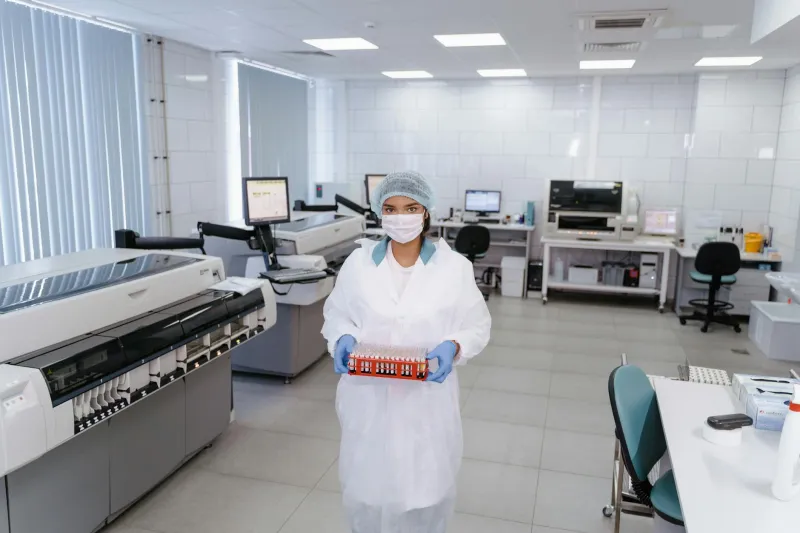
Emerging technologies offer potential solutions to geographic disparities in specialist expertise. The University of Liverpool's "ToxConsult" platform enables real-time video consultation between rural emergency departments and toxicology specialists, providing visual assessment capabilities that telephone consultation cannot match.
 Photo: University of Liverpool, via thumbs.dreamstime.com
Similarly, artificial intelligence systems trained on poison management protocols could support rural doctors in making rapid treatment decisions. The University of Edinburgh's "PoisonAI" project has demonstrated 87% accuracy in recommending appropriate initial interventions for common pesticide exposures, potentially bridging expertise gaps until specialist consultation becomes available.
However, technology cannot address all disparities. Rural hospitals often lack the equipment necessary for advanced supportive care, whilst geographic isolation may prevent timely transfer to specialist centres when required.
International Comparisons and Best Practice
Other developed nations with significant agricultural sectors have adopted more coordinated approaches to poison management. France's national toxicovigilance system provides standardised protocols to all emergency departments, whilst mandatory reporting creates comprehensive exposure databases that inform prevention strategies.
Germany's regional poison centres operate as integrated networks, ensuring that specialist expertise remains accessible regardless of geographic location. Each centre maintains 24-hour staffing with board-certified toxicologists, whilst standardised training programmes ensure consistent care quality across the network.
These international examples demonstrate that geographic disparities in poison response are policy choices rather than inevitable consequences of rural geography.
Policy Recommendations and the Path Forward
Addressing Britain's toxic postcode lottery requires coordinated action across multiple levels. The establishment of regional poison response networks, modelled on Scotland's system, could provide specialist consultation to rural emergency departments throughout England and Wales. Mandatory toxicology training for rural emergency staff would build local capability whilst reducing dependence on distant specialists.
Investment in telemedicine infrastructure could leverage technology to overcome geographic barriers, whilst standardised poison management protocols would ensure consistent care quality regardless of location. Enhanced data collection and analysis would enable evidence-based improvements to current systems.
Most fundamentally, Britain requires recognition that poison response constitutes a public health infrastructure requiring coordinated investment rather than ad hoc local arrangements. Until such recognition emerges, Thompson's experience will remain representative rather than exceptional—a reminder that in matters of toxic emergency, geography remains destiny.