The Geographic Lottery of Medical Innovation
In the heart of London's Bloomsbury district, Sarah Matthews received an invitation to participate in a groundbreaking immunotherapy trial within weeks of her cancer diagnosis. Meanwhile, 400 miles north in rural Cumbria, David Thompson faced identical symptoms but discovered the nearest comparable trial required a five-hour journey to Manchester. This disparity exemplifies a troubling reality: your postcode increasingly determines your access to Britain's most promising medical advances.
Recent analysis of National Institute for Health and Care Research (NIHR) data reveals stark geographical inequalities in clinical trial recruitment across the UK. Patients residing in London postcodes are three times more likely to access Phase I and Phase II trials compared to those in rural Scotland, Wales, or Northern England. This geographic divide extends beyond mere convenience, potentially affecting survival outcomes and quality of life for thousands of British patients annually.
The Infrastructure of Inequality
The concentration of clinical trials reflects Britain's broader healthcare infrastructure patterns. Teaching hospitals and university medical centres, predominantly located in major metropolitan areas, serve as primary recruitment hubs for pharmaceutical companies and research organisations. These institutions possess the specialist staff, laboratory facilities, and regulatory expertise essential for conducting complex trials.
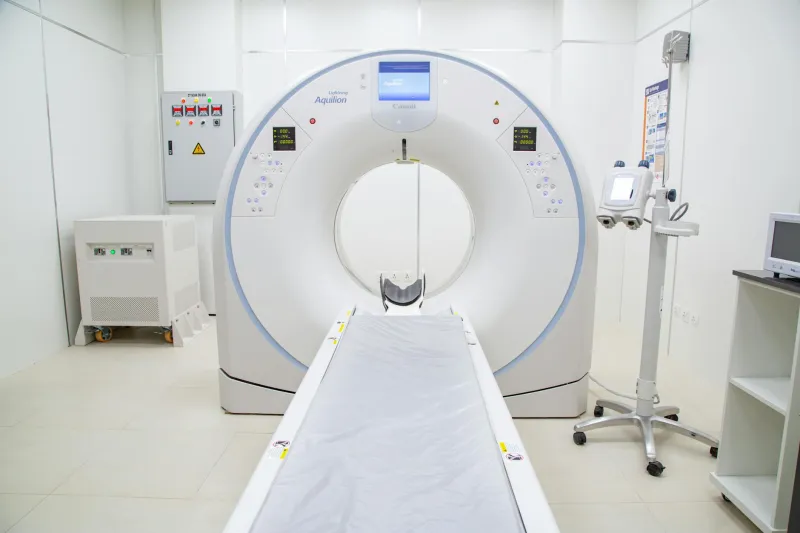
Professor Margaret Whitfield, Director of Clinical Research at Imperial College London, explains the practical constraints: "Pharmaceutical companies naturally gravitate towards established research centres with proven track records. The infrastructure requirements for modern trials—from specialised imaging equipment to 24-hour monitoring capabilities—simply aren't available in every district general hospital."
This concentration creates a self-reinforcing cycle. Areas with existing research infrastructure attract additional funding and trials, whilst regions lacking such facilities find themselves increasingly marginalised from the clinical research ecosystem.
The Referral Network Challenge
Beyond infrastructure, the effectiveness of GP referral networks significantly influences trial participation rates. Urban practices, particularly those affiliated with teaching hospitals, demonstrate markedly higher referral rates to clinical trials compared to their rural counterparts. Research conducted by the University of Edinburgh found that GPs in metropolitan areas are twice as likely to identify suitable trial candidates and facilitate appropriate referrals.
Dr James Harrison, a general practitioner in the Scottish Highlands, acknowledges the challenges: "Staying current with available trials requires significant time investment. When you're managing a rural practice with limited resources, that specialist knowledge often takes a backseat to immediate patient care demands."
The digital divide compounds these issues. Many trial matching systems rely on sophisticated electronic health records and decision support tools that remain inconsistently implemented across Britain's diverse healthcare landscape.
Pharmaceutical Site Selection Criteria
Pharmaceutical companies employ strict criteria when selecting trial sites, prioritising factors that inadvertently favour urban centres. Recruitment timelines, patient retention rates, and regulatory compliance records all influence site selection decisions. Rural hospitals, despite serving significant patient populations, often struggle to meet these benchmarks due to resource constraints and smaller patient volumes.
Industry data suggests that London-based sites complete recruitment 40% faster than equivalent facilities in Northern England or Wales. This efficiency advantage makes metropolitan centres increasingly attractive to sponsors facing competitive pressure to accelerate drug development timelines.
Regional Responses and Innovation
Recognising these disparities, several initiatives aim to democratise trial access across Britain. The NIHR's Clinical Research Network has established regional hubs designed to strengthen research capacity in underserved areas. Scotland's Chief Scientist Office has pioneered telemedicine approaches, enabling remote monitoring for certain trial types.
Wales has implemented an innovative hub-and-spoke model, connecting district hospitals with Cardiff and Swansea's research centres. This approach allows patients to receive initial screening and routine monitoring locally whilst accessing specialist interventions at centralised facilities.
Digital Solutions and Future Prospects
Emerging technologies offer promising solutions to geographic barriers. Virtual trials, incorporating remote monitoring devices and telemedicine consultations, could significantly expand access for patients in remote areas. The COVID-19 pandemic accelerated adoption of these approaches, demonstrating their feasibility for certain trial types.
Blockchain-based patient matching systems and artificial intelligence-driven screening tools could help identify suitable candidates regardless of location. However, regulatory frameworks and data protection requirements must evolve to support these innovations effectively.
The Economic Imperative
Beyond ethical considerations, geographic trial inequality represents a significant economic inefficiency. Britain's diverse population offers valuable genetic and environmental diversity that enhances trial validity and generalisability. Excluding rural and post-industrial communities potentially compromises research quality whilst overlooking substantial patient populations.
Research by the Association of Medical Research Charities estimates that geographic barriers prevent approximately 15,000 British patients annually from accessing potentially beneficial experimental treatments. This exclusion not only affects individual outcomes but also slows overall medical progress.
Towards Equitable Access
Addressing Britain's clinical trial geography requires coordinated action across multiple stakeholders. The NIHR must continue expanding regional research infrastructure whilst pharmaceutical companies should adopt more inclusive site selection criteria. Technology companies can contribute by developing platforms that facilitate remote trial participation without compromising safety or data quality.
Ultimately, equitable trial access represents both a scientific imperative and a moral obligation. Britain's commitment to evidence-based medicine demands that geography should not determine access to potentially life-saving treatments. As the nation's research community continues evolving, ensuring equal opportunities for all patients—regardless of postcode—must remain a fundamental priority.
The path forward requires sustained investment, innovative thinking, and unwavering commitment to the principle that medical advancement should benefit all British citizens equally. Only through such dedication can we bridge the geographic divide that currently separates many patients from tomorrow's medical breakthroughs.