The Hidden Laboratory in London's Vaults
Beneath the grand galleries of London's Natural History Museum lies one of Britain's most valuable scientific resources: millions of preserved specimens collected over two centuries of exploration and discovery. What Victorian naturalists could never have imagined is that their meticulous collecting efforts would one day serve as a genetic time machine, offering modern researchers unprecedented insights into evolutionary processes, extinction events, and historical disease patterns.
Recent advances in ancient DNA (aDNA) extraction and genomic sequencing have transformed these dusty collections from static displays into dynamic research platforms. British scientists are now extracting viable genetic material from specimens collected as far back as the 1800s, revealing biological secrets that would be impossible to uncover through contemporary fieldwork alone.
Unlocking Genetic Secrets from Pinned Specimens
Dr Sarah Matthews at the University of Edinburgh's Institute of Evolutionary Biology recently demonstrated the remarkable potential of museum collections through her groundbreaking work on British butterfly populations. By extracting DNA from pinned specimens of the Large Blue butterfly collected between 1880 and 1979, her team reconstructed the genetic diversity of populations before their catastrophic decline.
"These museum specimens contain genetic information that simply no longer exists in wild populations," Matthews explains. "We discovered that historical populations possessed significantly greater genetic diversity than current reintroduced colonies, providing crucial insights for conservation strategies."
The research revealed that Victorian-era Large Blues carried genetic adaptations to specific ant species that have since been lost. This discovery has directly informed current reintroduction programmes, helping conservationists select appropriate release sites based on historical genetic-habitat relationships.
Disease Histories Written in Preserved Tissue
Beyond evolutionary studies, British museum collections are proving invaluable for understanding historical disease patterns. Researchers at the Royal Veterinary College have extracted pathogen DNA from Victorian-era taxidermied mammals, tracing the evolutionary history of diseases that continue to affect British wildlife today.
A particularly striking example emerged from the analysis of red squirrel specimens collected before the introduction of grey squirrels to Britain. Genetic analysis revealed that native red squirrel populations possessed natural resistance variants to squirrelpox virus—resistance that proved insufficient against the more virulent strains carried by introduced grey squirrels.
"Museum specimens allow us to establish baseline immunity profiles before major ecological disruptions," notes Professor James Richardson, who leads the pathogen archaeology programme. "This information is crucial for understanding why certain species proved vulnerable to introduced diseases."
Herbarium Plants: Climate Change's Genetic Archive
Britain's herbarium collections—dried plant specimens pressed between sheets of paper—represent another frontier in genetic archaeology. The Royal Botanic Gardens at Kew houses over seven million specimens, many collected during the height of British botanical exploration.
Recent work by Cambridge University researchers has extracted DNA from herbarium specimens of British orchids collected throughout the 20th century, revealing how plant populations responded genetically to changing climatic conditions. The study documented shifts in flowering time genes that correlate precisely with recorded temperature changes, providing direct evidence of evolutionary responses to climate change.
The Curatorial Crisis Threatening Scientific Discovery
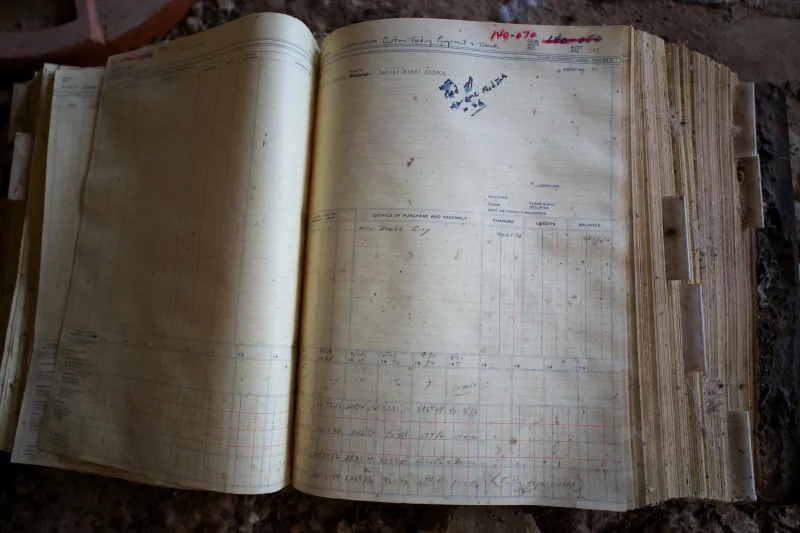
Despite their immense scientific value, Britain's natural history collections face significant challenges. Many regional museums lack the specialist curatorial expertise required to maintain specimens in optimal condition for genetic research. Budget constraints have led to reduced staffing levels, with some institutions struggling to catalogue their holdings adequately.
The situation is particularly acute in university collections, where decades of specimens collected by academic researchers risk deterioration without proper curatorial oversight. Dr Helen Foster, curator at the Manchester Museum, warns that "we're losing irreplaceable genetic information through inadequate storage conditions and lack of systematic preservation protocols."
Funding Gaps and Future Opportunities
Whilst the scientific potential of museum collections has never been clearer, funding for collection-based research remains inconsistent. The Natural Environment Research Council has supported several high-profile projects, but smaller institutions often lack resources to participate in genetic archaeology programmes.
The establishment of the UK's Museum Genomics Network represents a positive development, facilitating collaboration between major institutions and providing technical support for DNA extraction from historical specimens. However, sustained investment in curatorial training and specimen preservation remains essential to fully realise this scientific potential.
A Living Archive for Future Generations
As genomic technologies continue advancing, the scientific value of Britain's historical collections will only increase. Emerging techniques for extracting DNA from increasingly degraded specimens promise to unlock genetic information from even older specimens, potentially extending our genetic time series back centuries.
The challenge now lies in ensuring that these irreplaceable scientific resources receive the recognition and support they deserve. Britain's museum collections represent more than historical curiosities—they are active research infrastructure essential for understanding our biological heritage and informing conservation strategies for an uncertain future.
For British science to maintain its leadership in genomic research, investment in collection curation and access must match the revolutionary potential of the genetic treasures housed within our museum walls.