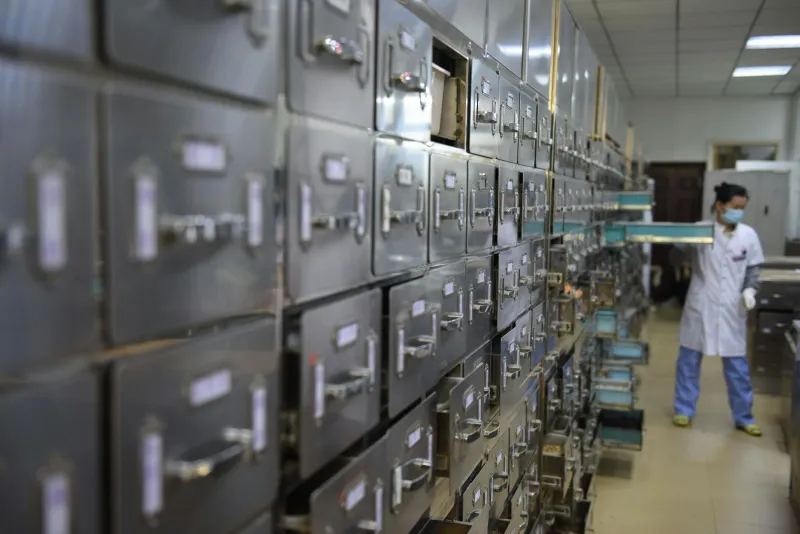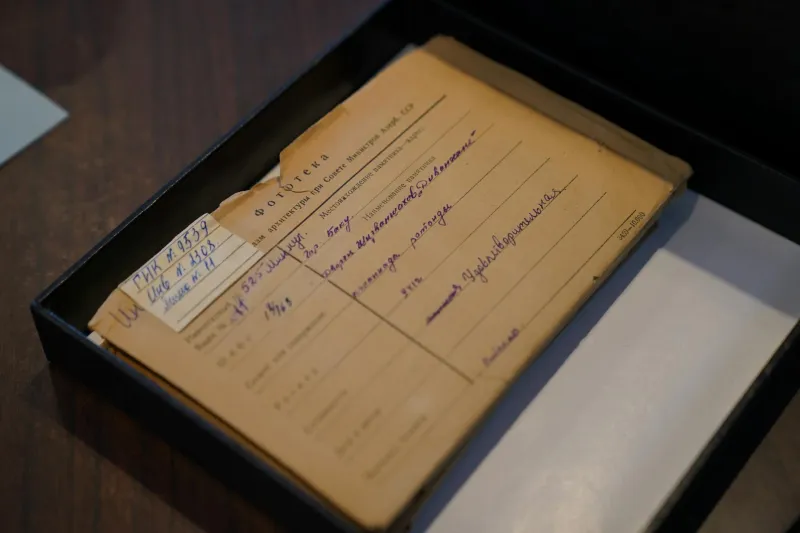
The Vanishing Guardians of Scientific Knowledge
In the basement of Imperial College London's chemistry department, Dr Sarah Pemberton runs her fingers along the spine of a 1923 German crystallography journal that exists nowhere else in Britain. As one of the last specialist chemistry librarians in the country, she represents a dying breed of academic professional whose expertise cannot be replicated by Google Scholar or institutional databases.
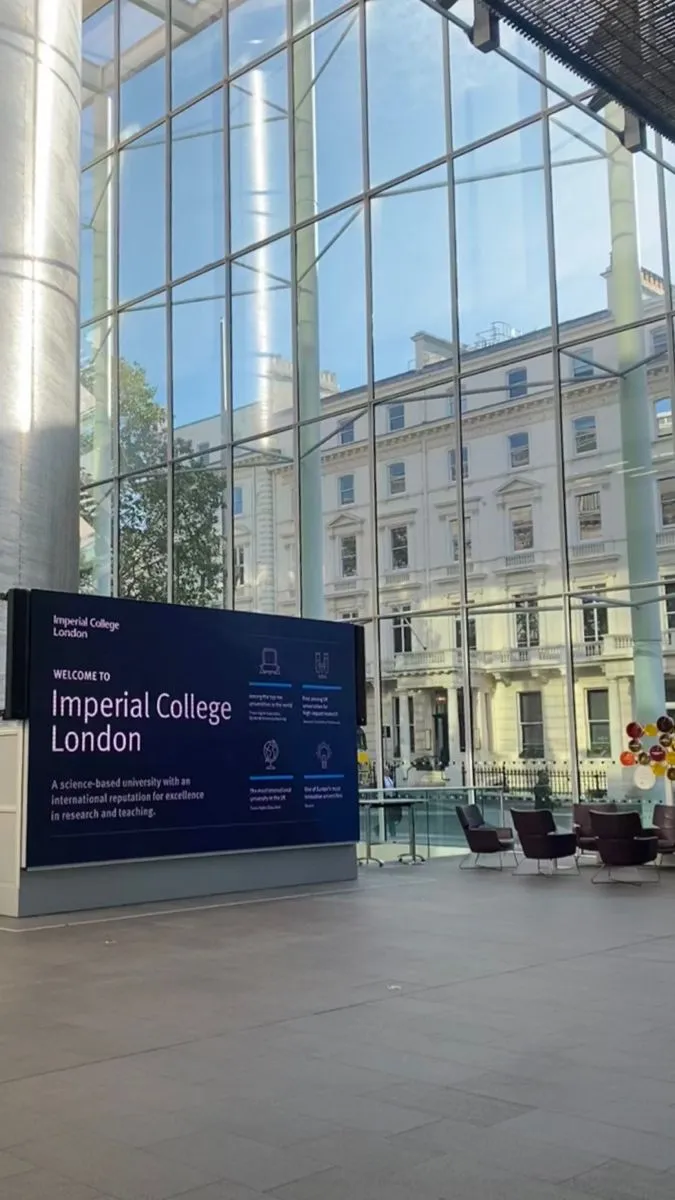 Photo: Imperial College London, via i.pinimg.com
"When a researcher comes to me asking about anomalous spectroscopic readings from the 1960s, I know exactly which three publications to check," Pemberton explains. "An algorithm would return 10,000 results and miss the crucial observation buried in a conference proceeding from Düsseldorf."
This intimate knowledge of scientific literature—accumulated through decades of professional curation—is disappearing across Britain as universities merge libraries, eliminate specialist positions, and redirect funding towards digital subscriptions. What appears to be modernisation masks a profound intellectual crisis that threatens the very foundation of how British researchers access and contextualise scientific knowledge.
The Great Consolidation
Since 2010, Britain has lost approximately 40% of its specialist scientific library collections through institutional mergers and budget rationalisations. The University of Manchester's renowned geology library, once home to 150,000 specimens and publications dating to the 19th century, was absorbed into a general collection where mineralogy texts now sit alongside medieval literature.
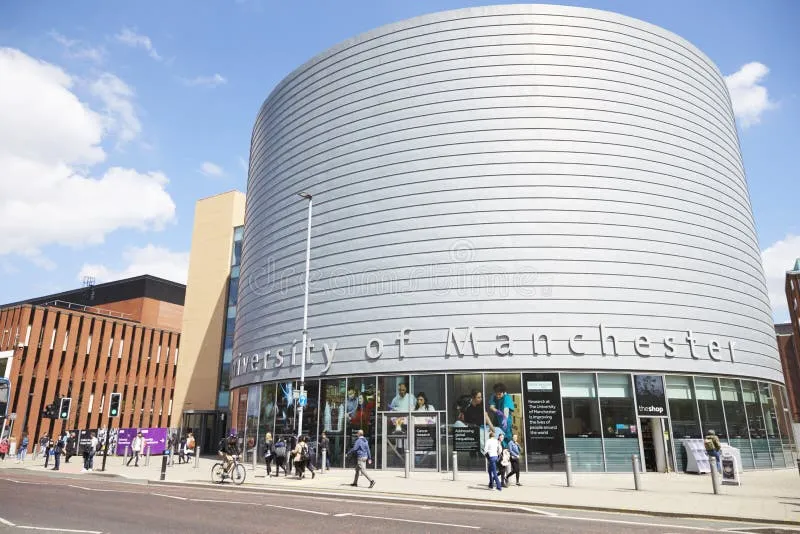 Photo: University of Manchester, via thumbs.dreamstime.com
Similar consolidations have affected chemistry libraries at Leeds, physics collections at Edinburgh, and marine biology archives at Plymouth. Each merger represents not merely a relocation of books, but the dissolution of carefully curated ecosystems where specialist librarians understood the intellectual relationships between disparate sources.
"We're losing the connective tissue of scientific knowledge," argues Professor James Whitfield of the Royal Society of Chemistry. "These weren't just book repositories—they were intellectual maps maintained by experts who understood the landscape of their disciplines."
The Digital Mirage
University administrators often justify library consolidations by pointing to comprehensive digital databases that promise universal access to scientific literature. Yet this apparent abundance conceals significant gaps that only specialist librarians typically recognise.
Pre-1995 conference proceedings, technical reports from government laboratories, and publications from defunct scientific societies remain largely undigitised. Foreign-language materials, particularly from Eastern European and Soviet sources, exist in digital form but lack the contextual metadata that makes them discoverable through conventional searches.
"Digital collections give us breadth but sacrifice depth," observes Dr Margaret Chen, who studies scientific information systems at Oxford. "A chemistry student today can access thousands of recent papers but might never encounter the foundational work that explains why certain assumptions exist in their field."
The Cost of Convenience
The consequences extend beyond academic inconvenience. British pharmaceutical companies increasingly report difficulties in patent research, where exhaustive literature searches require access to obscure publications that established prior art. Environmental consultancies struggle to locate baseline measurements from the 1970s and 1980s that inform current pollution assessments.
The National Archives estimates that approximately 30% of Britain's scientific heritage remains in physical formats that are neither digitised nor properly catalogued. As specialist librarians retire without replacement, institutional knowledge of these collections dies with them.
Pockets of Resistance
Several institutions continue to maintain specialist collections despite financial pressures. The Natural History Museum's library preserves one of the world's most comprehensive taxonomic archives, while the Royal Institution's collection focuses on the history of experimental science.
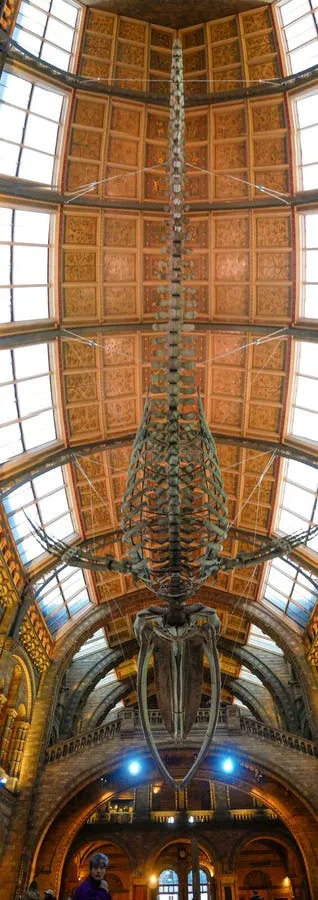 Photo: Natural History Museum, via thumbs.dreamstime.com
These surviving libraries employ innovative strategies to justify their existence. The Geological Society of London has partnered with energy companies to digitise exploration reports, creating revenue streams that support broader collection maintenance. Cambridge's chemistry library offers consultancy services to pharmaceutical firms seeking obscure synthetic pathways.
"We've had to become entrepreneurs," admits Dr Helen Morrison, head librarian at the Royal Astronomical Society. "But commercial partnerships help demonstrate that specialist collections provide tangible value beyond academic research."
The Algorithmic Blind Spot
Search engines excel at retrieving known information but struggle with the serendipitous discoveries that drive scientific innovation. Specialist librarians traditionally served as intellectual matchmakers, connecting researchers with unexpected sources that illuminated new approaches to persistent problems.
"I once helped a materials scientist solve a corrosion problem by directing him to a 1940s paper on dental amalgams," recalls Pemberton. "No search algorithm would have made that connection because the terminology was completely different."
This loss of cross-disciplinary fertilisation may explain why bibliometric studies show decreasing citation diversity in British research publications since 2010, despite expanded access to digital databases.
Rebuilding the Infrastructure
Several initiatives aim to preserve specialist scientific knowledge before it disappears entirely. The British Library's Science Reference Service is developing AI-assisted cataloguing systems that capture the contextual relationships between documents. The Royal Society has launched a fellowship programme to train the next generation of scientific information specialists.
However, these efforts require sustained funding commitments that compete with more visible research priorities. Universities must recognise that specialist libraries represent essential research infrastructure, not merely cost centres to be optimised.
The Path Forward
Britain's scientific future depends partly on recovering its institutional memory. This requires not just preserving physical collections but recreating the human expertise necessary to navigate them effectively.
"We need specialist librarians who understand both traditional scholarship and digital tools," argues Professor Whitfield. "The goal isn't to return to the past but to combine the best of both approaches."
The question facing British science is whether it can rebuild these intellectual foundations before the remaining expertise disappears entirely. In an age of information abundance, the scarcest resource may be the wisdom to know what questions to ask.